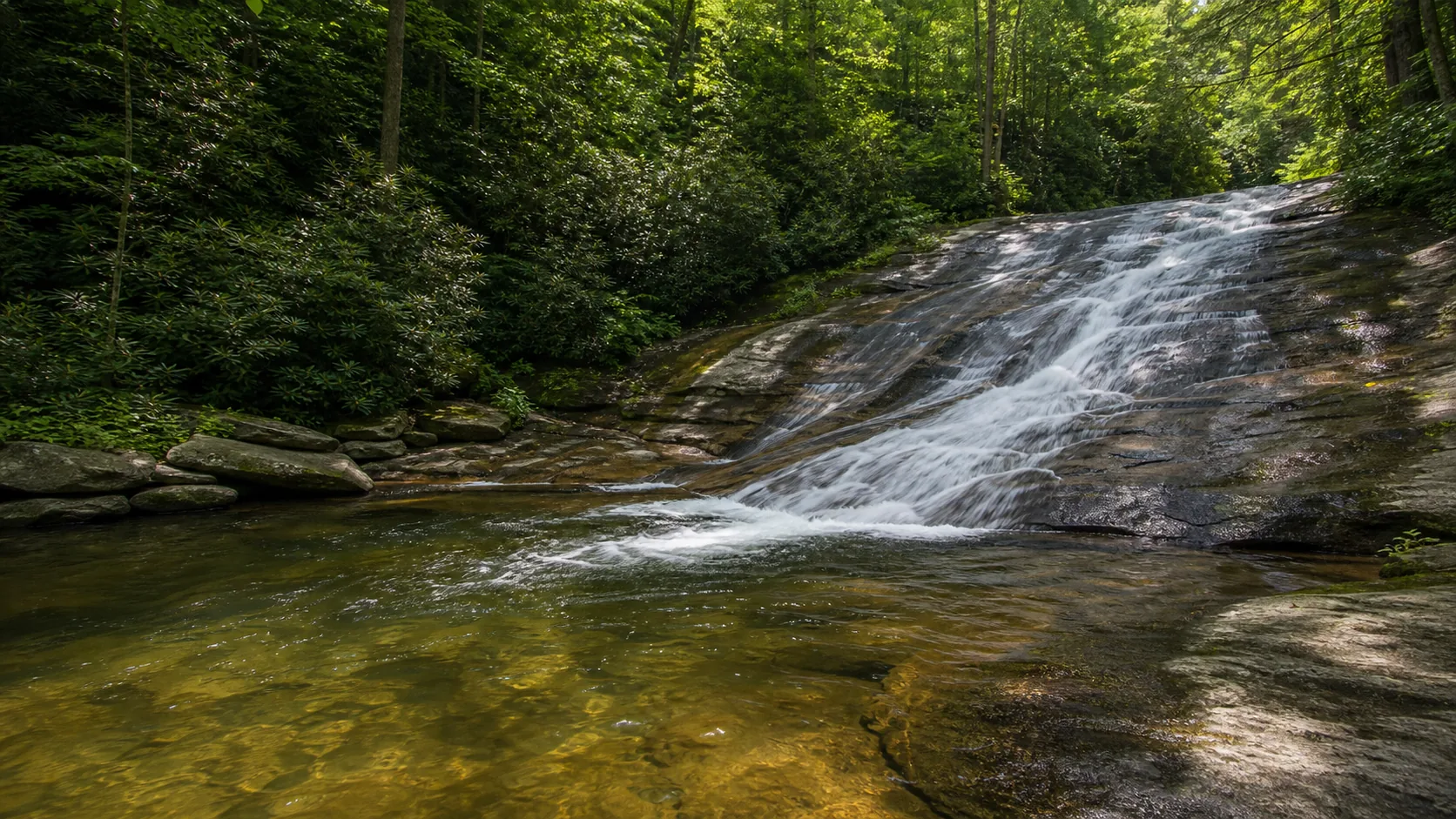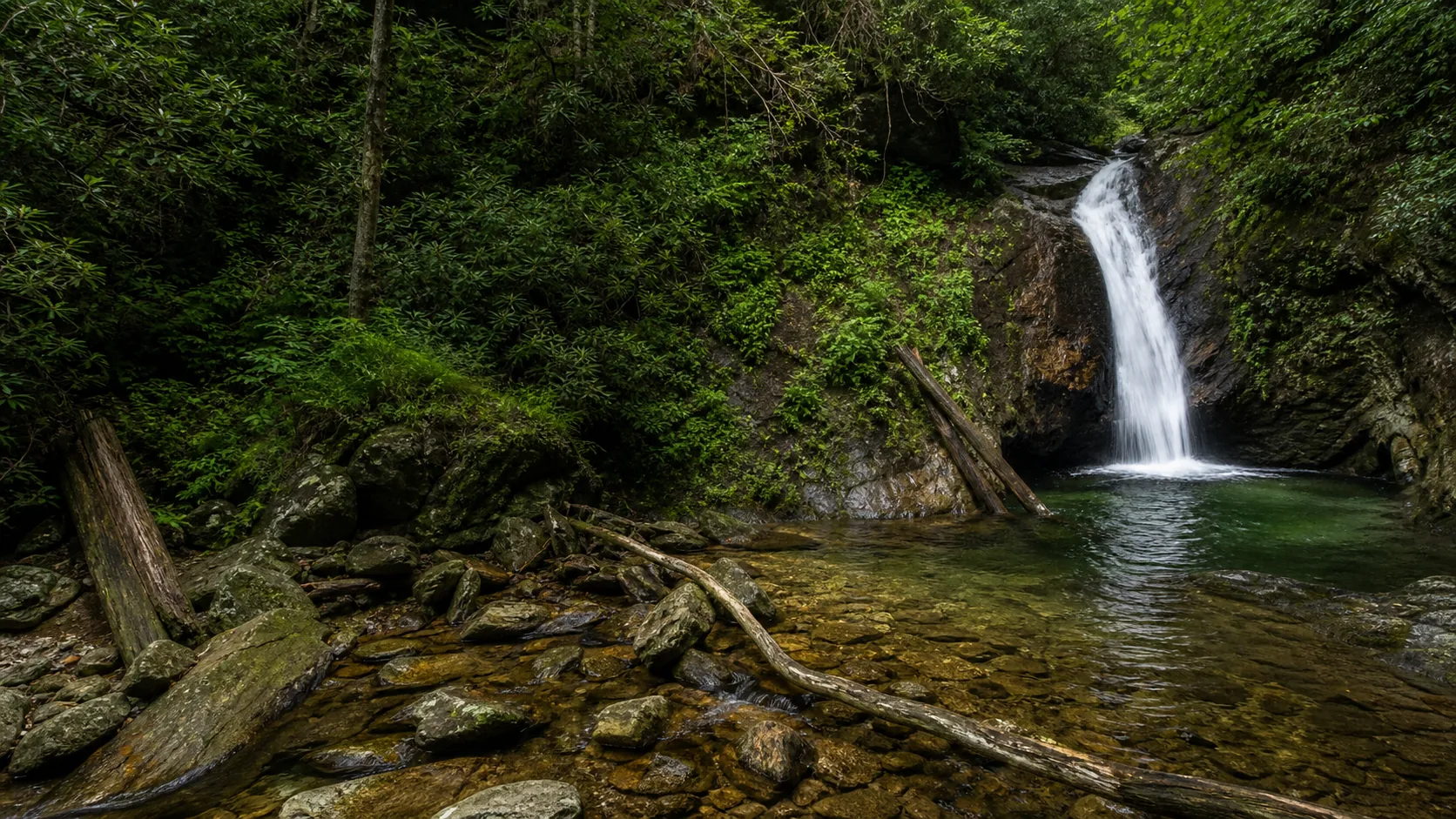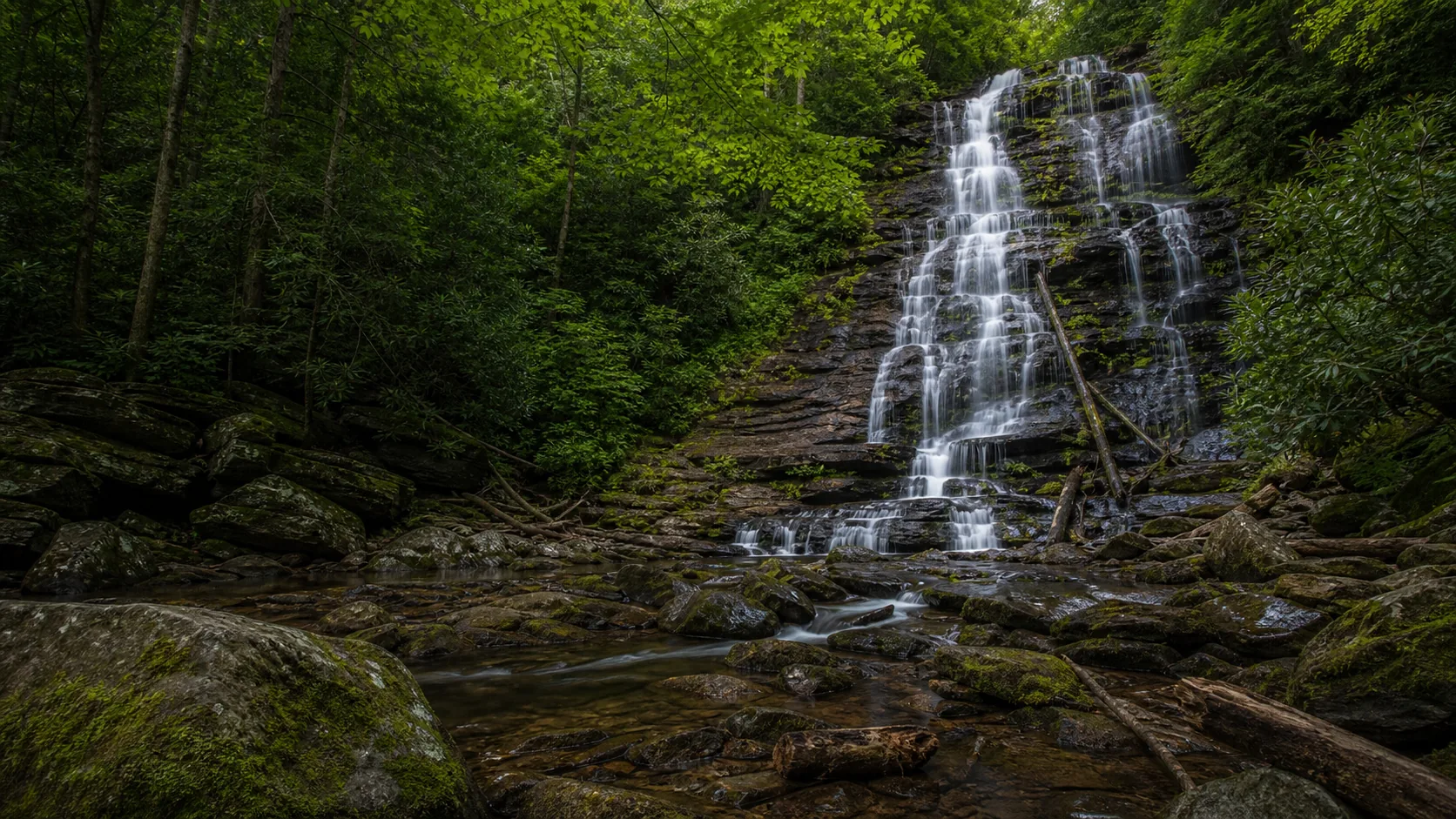
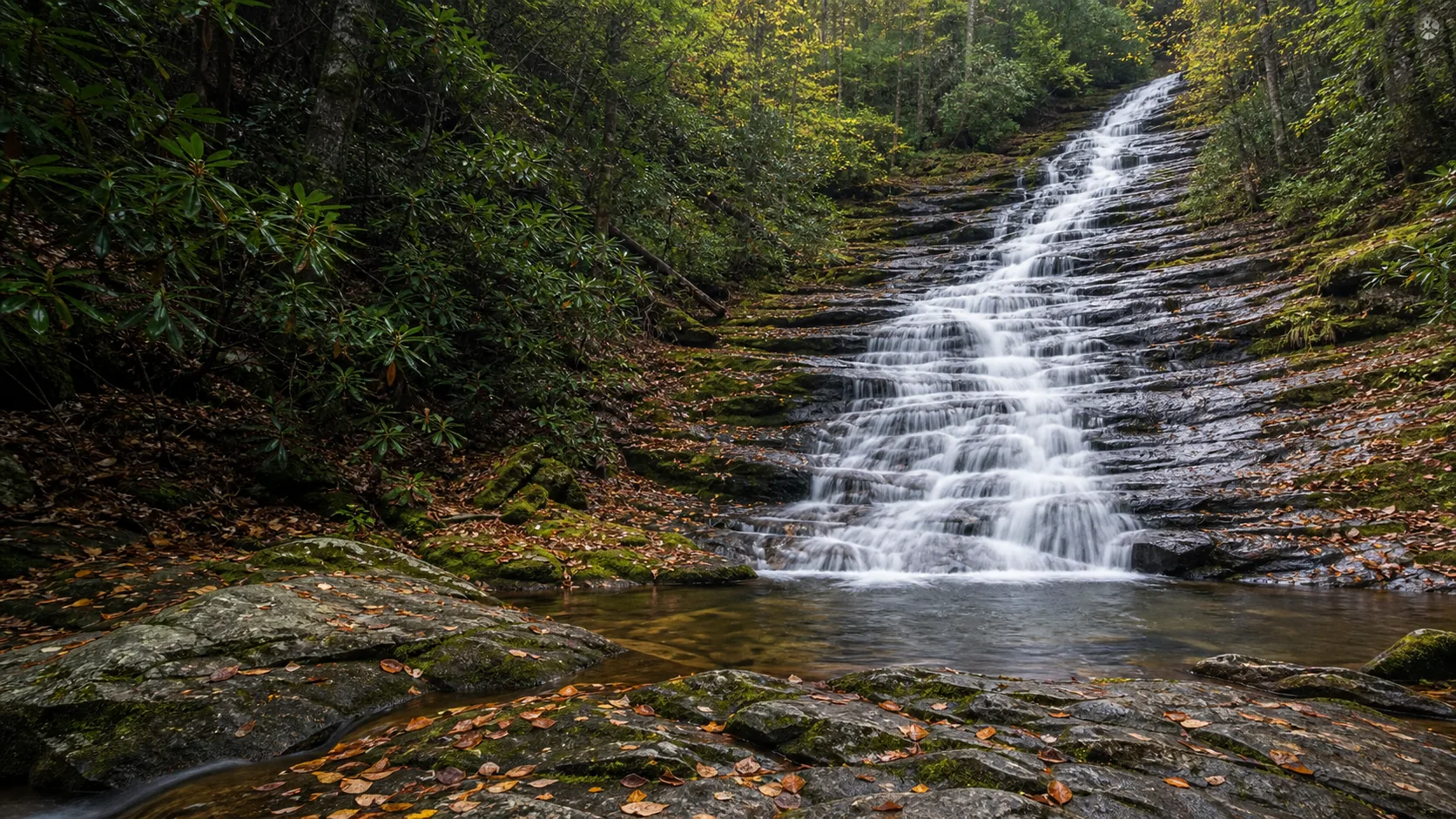
Roaring Fork Falls is a waterfall in North Carolina near Yancey County, North Carolina. This guide focuses on current-access planning, verified Wikimedia Commons photography, map orientation, and the questions people usually need answered before making the drive.
Photo: Wikimedia Commons / bobistraveling
Quick Answer
Is Roaring Fork Falls worth visiting?
Yes, if you want a focused waterfall stop in North Carolina with real photo coverage and a page built around the practical questions first. The key planning move is to verify access before you drive, then treat the visit as a photo-and-trail stop rather than a guaranteed swimming or flow report.
North Carolina waterfall guide
Exact Wikimedia Commons photos
Access-check first
Map and directions
Photo planning notes
Supplemental FAQs
Last verified May 4, 2026 · Visited Desk-verified May 2026 · 5 sources checked
The useful waterfall guide is the one that tells you what to verify before the drive.
Cascade Field Guide editorial note
10
Through the Seasons
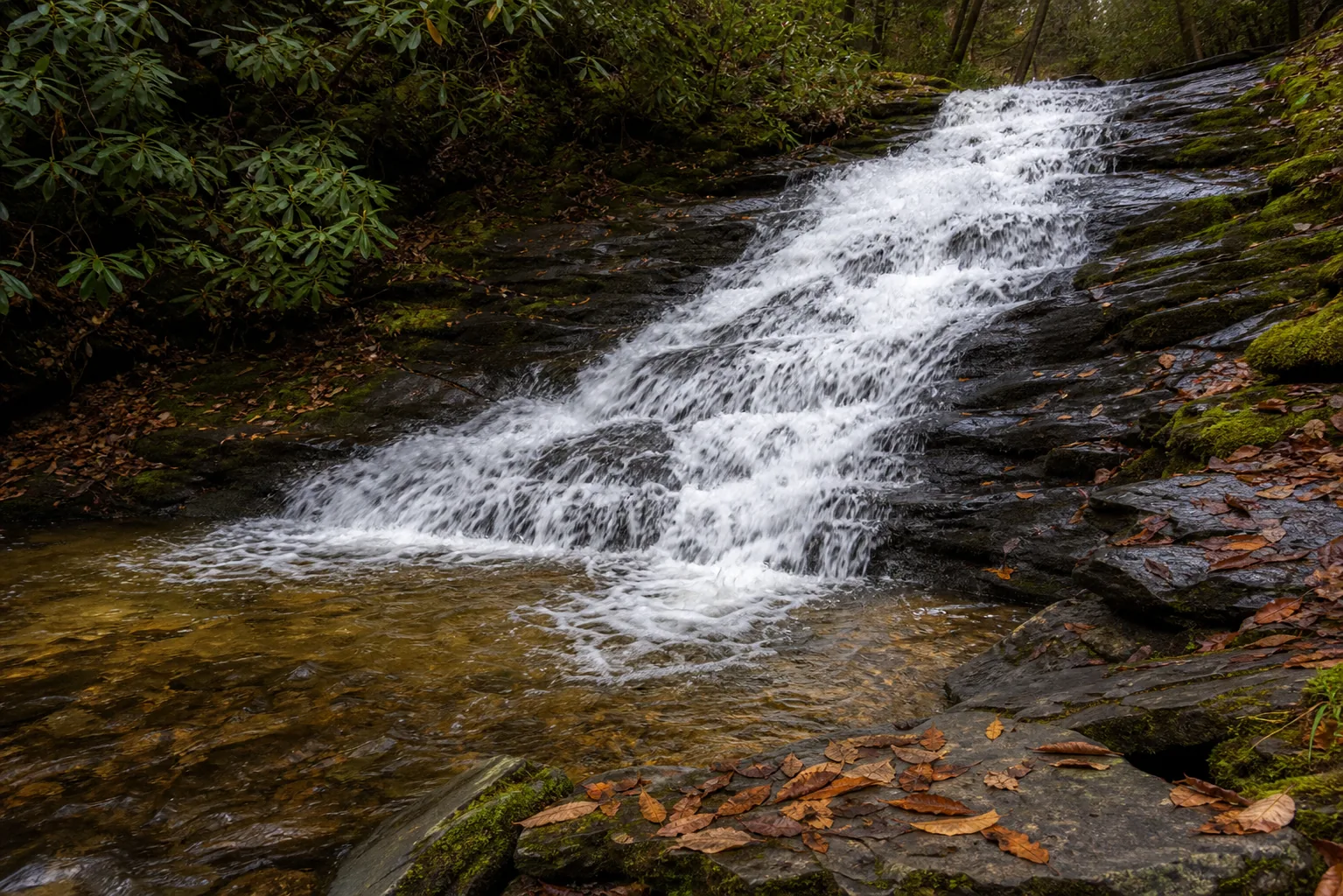
SpringWikimedia Commons / bobistraveling
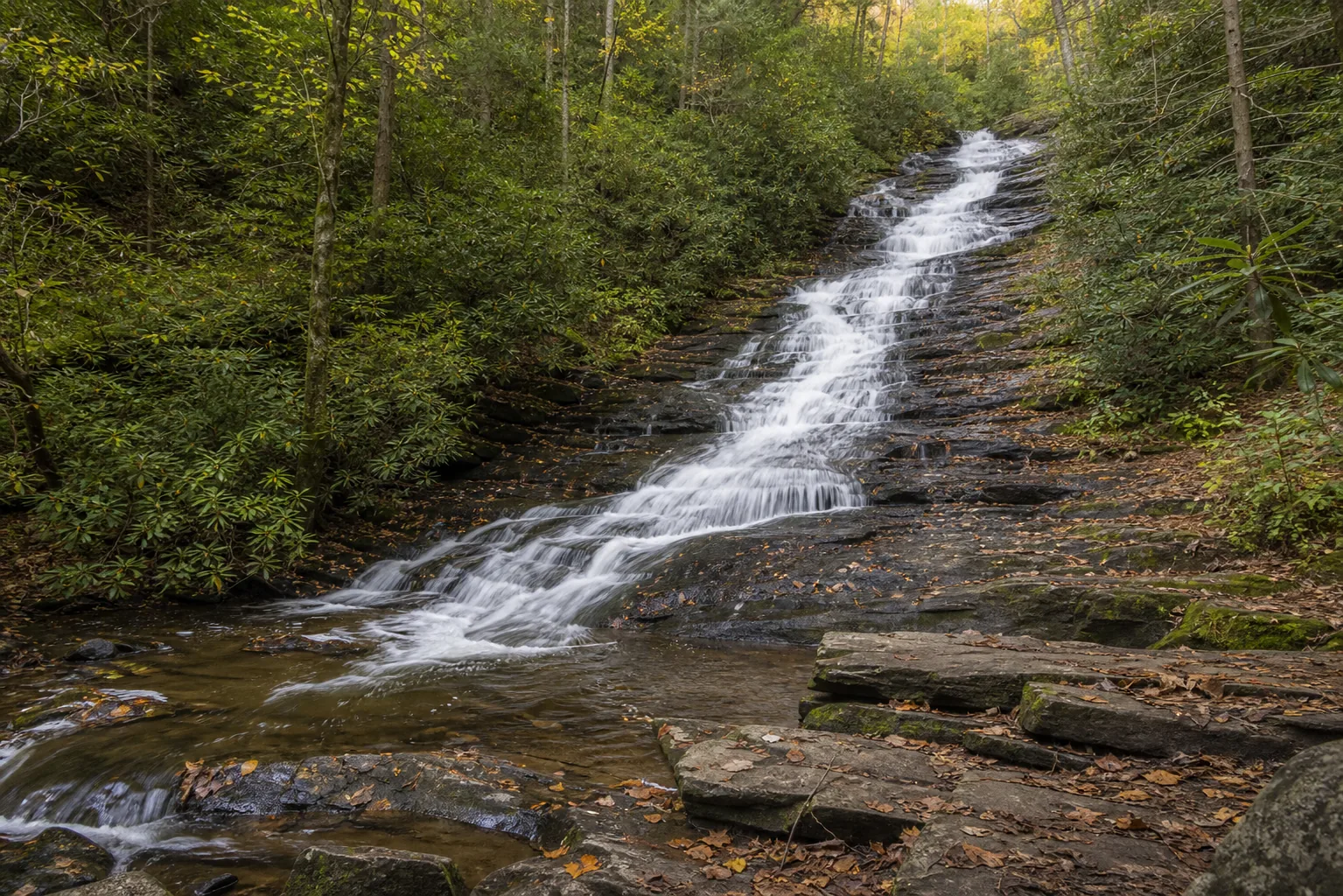
SummerWikimedia Commons / bobistraveling
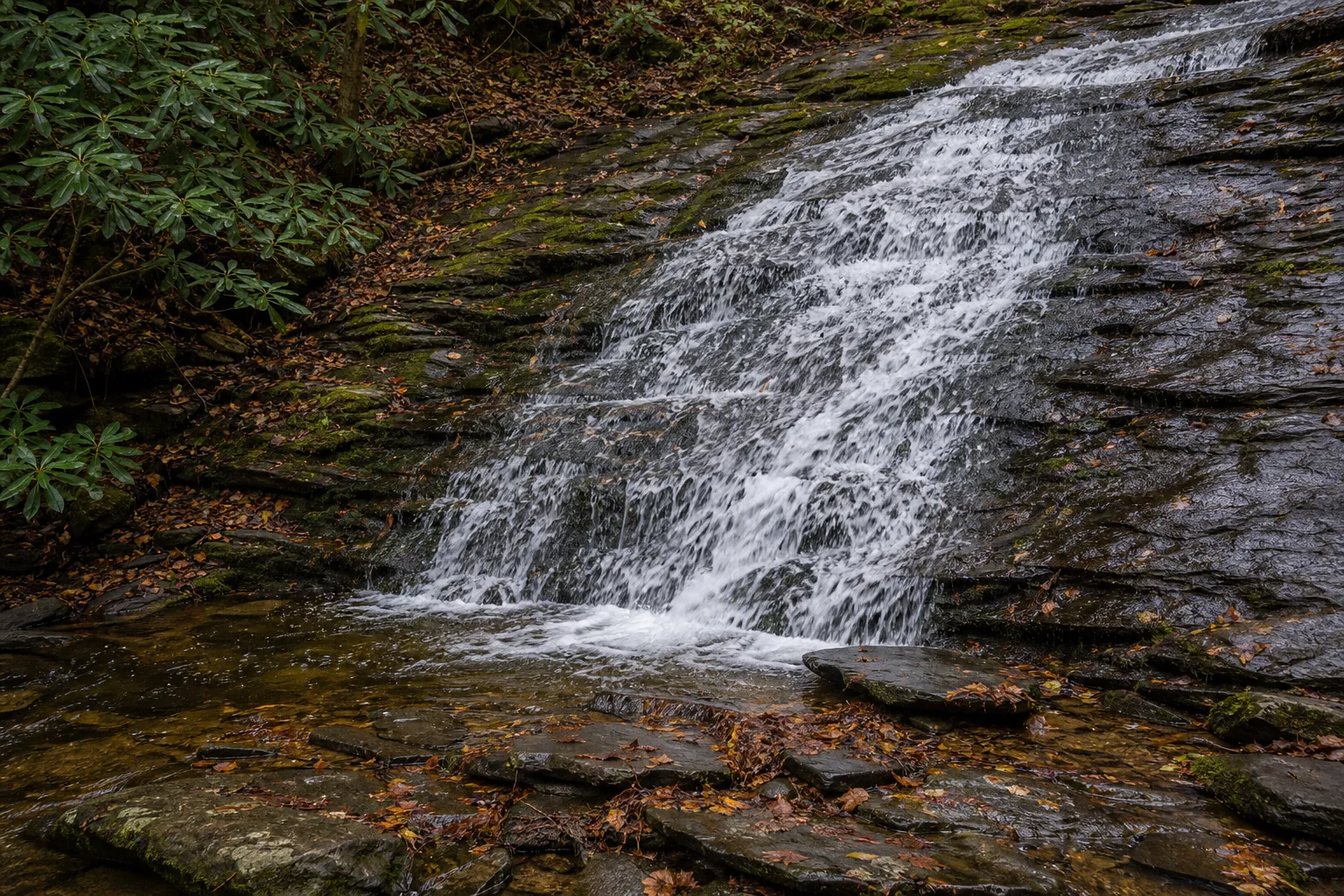
FallWikimedia Commons / bobistraveling
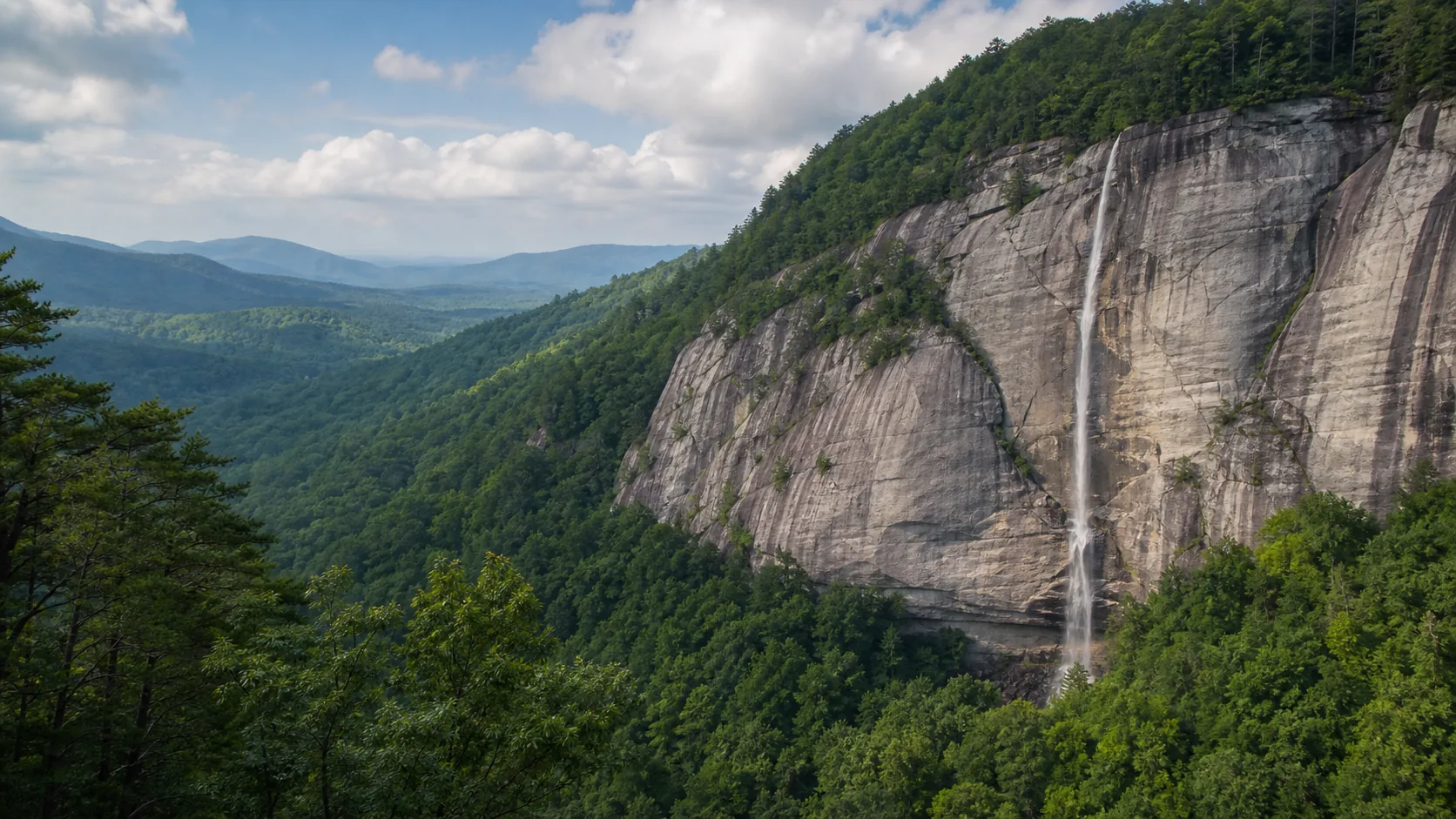
WinterWikimedia Commons / bobistraveling
11
Roaring Fork Falls photos
Main view of Roaring Fork Falls
Wikimedia Commons / bobistraveling
Water and rock detail at Roaring Fork Falls
Wikimedia Commons / bobistraveling
Wider landscape around Roaring Fork Falls
Wikimedia Commons / bobistraveling
Side angle of the falls
Wikimedia Commons / bobistraveling
Water detail from the falls area
Wikimedia Commons / bobistraveling
Waterfall slots on this page use exact Wikimedia Commons files matched to Roaring Fork Falls. Non-waterfall context images are not used as waterfall photos.
12
Why is it called Roaring Fork Falls?
Roaring Fork Falls is the established map and search name for this waterfall. Use that exact name when checking land-manager pages, map apps, and recent trail reports.
14
What else to do at North Carolina waterfall area
Treat Roaring Fork Falls as an access-check-first waterfall: confirm the current trailhead, parking rules, closure alerts, and weather before committing the drive.
Main viewpoint. Start with the signed public viewpoint or official trail route.
Photo stop. Overcast light usually gives cleaner water detail than harsh midday sun.
Conditions check. Waterfalls change quickly after storms, snowmelt, drought, and freeze-thaw cycles.
Leave no trace. Stay on durable surfaces and avoid climbing wet rock around the falls.
For Roaring Fork Falls, plan photos around the main public viewpoint first, then look for safe side angles only if they are on signed or durable routes.
Soft overcast light is usually better than harsh midday sun because it preserves water texture and reduces blown highlights.
Personal photography is usually straightforward from public areas, but commercial shoots, drones, and staged sessions may require permission.
Weddings & engagements
Engagement photos can work at accessible overlooks, but waterfall sites are often narrow, wet, crowded, or seasonally restricted.
Confirm ceremony, commercial-use, and reserved-area rules with the land manager before planning a shoot.
Keep setups small, avoid blocking trails, and have a weather backup.
We cite public data and government sources whenever possible.
Photo audit: waterfall slots use exact Wikimedia Commons files from the audited A-plenty-commons launch queue.
Flow audit: no live flow chip is shown unless a gauge is manually paired and verified.
Access audit: generated batch pages avoid unsourced fee, swimming, and trail-distance certainty; readers are told to verify current land-manager information.